Introduction: The Silent Epidemic of Chronic Pain in Australia
Chronic pain affects 1 in 5 Australians, making it one of the most common reasons people seek medical treatment. Whether it’s back pain, arthritis, neuropathy, or migraines, living with persistent pain can cripple your quality of life—affecting sleep, mood, and even your ability to work.
For decades, the go-to solutions were opioids, NSAIDs, and physical therapy—but these come with serious side effects:
❌ Opioids → Addiction, constipation, respiratory depression
❌ NSAIDs (e.g., ibuprofen) → Stomach ulcers, kidney damage
❌ Steroids → Weight gain, high blood pressure, immune suppression
Enter medical cannabis—a natural alternative that’s gaining traction in Australia.
But does it really work? And how do you get it legally?
At MedLab Dispensary, we’ve helped hundreds of chronic pain patients find relief with TGA-approved cannabis products. In this guide, we’ll break down:
✅ The science behind cannabis for pain
✅ CBD vs. THC: Which is better for pain?
✅ Real patient success stories
✅ How to get a prescription in Australia
✅ Where to buy safe, legal cannabis for pain
Before we dive in, join our Telegram community (@medlabdispensarychatofficial) to get exclusive pain management tips, product recommendations, and patient support.
Understanding Chronic Pain & How Cannabis Helps
What Is Chronic Pain?
Chronic pain is persistent pain that lasts longer than 3 months, often due to:
- Arthritis (osteoarthritis, rheumatoid arthritis)
- Neuropathy (nerve damage, e.g., from diabetes)
- Back & neck pain (herniated discs, sciatica)
- Migraines & tension headaches
- Fibromyalgia (widespread muscle pain)
- Post-surgical pain (e.g., after hip/knee replacement)
Unlike acute pain (which heals over time), chronic pain doesn’t go away—and traditional medications often fail to provide long-term relief.
How Does Medical Cannabis Work for Pain?
Cannabis interacts with the endocannabinoid system (ECS), a network of receptors in the brain and body that regulate:
🔹 Pain perception
🔹 Inflammation
🔹 Mood & stress response
🔹 Sleep & appetite
When you consume cannabis, compounds like THC and CBD bind to these receptors, reducing pain signals and inflammation.
Key Mechanisms:
- THC (Tetrahydrocannabinol) → Blocks pain signals in the brain (similar to opioids but non-addictive).
- CBD (Cannabidiol) → Reduces inflammation and enhances THC’s pain-relieving effects.
- Terpenes (aromatic compounds) → Boost anti-inflammatory and analgesic (pain-relieving) properties.
Scientific Evidence:
- A 2020 meta-analysis in Cannabis and Cannabinoid Research found that cannabis significantly reduced chronic pain in 40% of patients.
- A 2021 study in The Journal of Pain showed that THC:CBD combinations were more effective than THC alone for neuropathic pain.
- The Australian Pain Society now recognizes cannabis as a viable option for patients who don’t respond to traditional treatments.
But here’s the catch: Not all cannabis products work the same. The strain, THC:CBD ratio, and dosage all play a role in effectiveness.
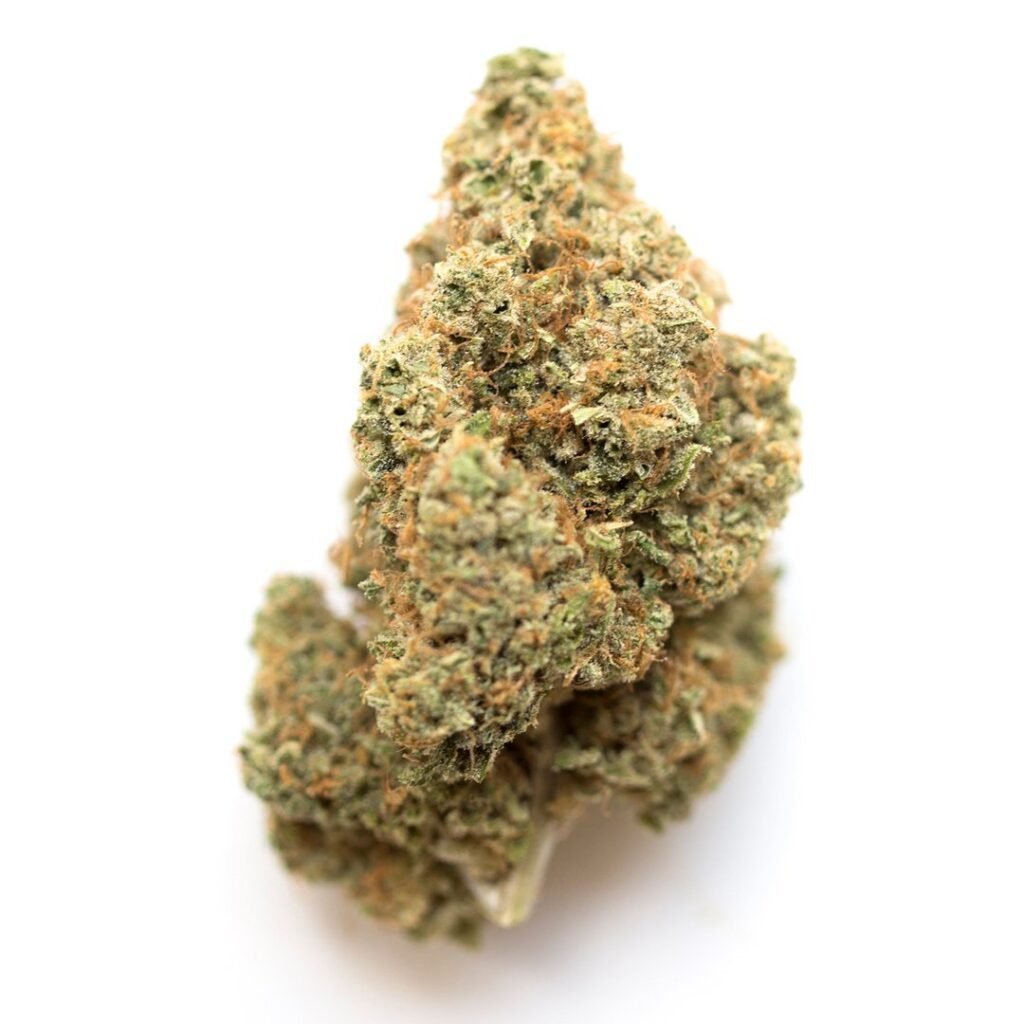
CBD vs. THC for Chronic Pain: Which Is Better?
The Great Debate: CBD vs. THC for Pain Relief
| Factor | CBD (Cannabidiol) | THC (Tetrahydrocannabinol) |
|---|---|---|
| Psychoactive? | ❌ No (non-intoxicating) | ✅ Yes (can cause a “high”) |
| Best For | Inflammation, anxiety, mild pain | Severe pain, nerve damage, muscle spasms |
| Side Effects | Mild (dry mouth, fatigue) | Possible drowsiness, dry mouth, paranoia (in high doses) |
| Legal Status | Prescription-only (TGA-approved) | Prescription-only (TGA-approved) |
| Cost | $100–$300/month | $200–$500/month |
| Best Product Types | CBD oil, capsules, topicals | THC oil, flower (vaporized), edibles |
When to Use CBD for Pain
✔ Mild to moderate pain (e.g., arthritis, fibromyalgia)
✔ Anxiety-related pain (e.g., tension headaches, stress-induced pain)
✔ Inflammation (e.g., Crohn’s disease, IBD)
✔ Patients who want non-psychoactive relief
Recommended Dosage:
- Start with 5–10mg CBD per day (split into 2 doses).
- Increase by 5mg every 3–5 days until relief is found.
- Max dose: Up to 40mg/day (for severe pain).
When to Use THC for Pain
✔ Severe, treatment-resistant pain (e.g., neuropathy, cancer pain)
✔ Muscle spasms (e.g., MS, spinal cord injuries)
✔ Sleep disturbances (THC helps with pain-induced insomnia)
✔ Patients who need stronger relief (but can tolerate psychoactive effects)
Recommended Dosage:
- Start with 1–2.5mg THC per day (to avoid side effects).
- Increase by 1–2.5mg every 3–5 days.
- Max dose: Up to 20mg/day (for severe pain).
The Best of Both Worlds: THC:CBD Combinations
Many patients find that a balanced THC:CBD ratio works best for pain. Why?
- CBD reduces THC’s psychoactive effects (less “high,” more relief).
- THC enhances CBD’s anti-inflammatory properties.
- Synergistic effect (the entourage effect) makes the combination more effective than either alone.
Common THC:CBD Ratios for Pain:
| Ratio | Best For | Example Products |
|---|---|---|
| 1:1 (Balanced) | Neuropathy, arthritis, fibromyalgia | MedLab 1:1 CBD:THC Oil |
| 2:1 (THC-heavy) | Severe pain, muscle spasms | MedLab THC Oil |
| 10:1 (CBD-heavy) | Mild pain, inflammation | MedLab CBD Oil |
| Topicals (0:1 CBD-only) | Localized pain (e.g., joint pain) | MedLab CBD Cream |
Pro Tip: If you’re new to cannabis, start with a 1:1 ratio to gauge your tolerance.
The Problem: Why Traditional Pain Medications Fail (And How Cannabis Helps)
Agitation: The Dark Side of Opioids & NSAIDs
For decades, opioids were the gold standard for chronic pain—but they come with devastating consequences:
🚨 Addiction & Overdose Risk → 1 in 20 chronic pain patients becomes addicted to opioids.
🚨 Tolerance Builds Quickly → Patients need higher doses over time, increasing side effects.
🚨 Gut & Kidney Damage → NSAIDs (e.g., ibuprofen) can cause stomach ulcers and kidney failure.
🚨 Mental Health Decline → Long-term opioid use is linked to depression and cognitive impairment.
The result? Patients are trapped in a cycle of pain and medication—with no real solution.
The Solution: Medical Cannabis as a Safer Alternative
Unlike opioids, cannabis is:
✅ Non-addictive (no physical dependence)
✅ Less likely to cause organ damage (no liver/kidney toxicity)
✅ Works on multiple pain pathways (not just one receptor)
✅ Has fewer severe side effects (mild dizziness, dry mouth)
But does it actually work? Let’s look at the science and real patient experiences.
Does Medical Cannabis Really Work for Chronic Pain? (The Evidence)
Clinical Studies on Cannabis for Pain
- Neuropathic Pain (2020 Meta-Analysis)
- Study: Cannabis and Cannabinoid Research
- Findings: 40% of patients reported significant pain reduction with cannabis.
- Best for: Diabetic neuropathy, post-herpetic neuralgia, MS-related pain.
- Arthritis Pain (2016 Study)
- Study: Rheumatology
- Findings: CBD reduced inflammation and pain in arthritis patients.
- Best for: Osteoarthritis, rheumatoid arthritis.
- Fibromyalgia (2019 Study)
- Study: Pain Medicine
- Findings: THC:CBD combinations improved pain, sleep, and fatigue in 60% of patients.
- Best for: Fibromyalgia, widespread muscle pain.
- Cancer Pain (2021 Review)
- Study: Journal of Pain and Symptom Management
- Findings: Cannabis reduced opioid use by 40% in cancer patients.
- Best for: Chemotherapy-induced neuropathy, tumor-related pain.

Real Patient Success Stories
Case Study 1: John’s 10-Year Battle with Back Pain
Condition: Degenerative disc disease (severe lower back pain, sciatica)
Traditional Treatment: Opioids (oxycodone) → caused constipation, dependency
Medical Cannabis Journey:
- Switched to THC:CBD oil (2:1 ratio)
- Pain reduced from 8/10 to 3/10 in 4 weeks
- Cut opioid use by 70%
- Result: Now off opioids, managing pain with cannabis + physiotherapy
John’s Advice: “I wish I’d tried cannabis sooner. It’s the first thing that’s given me real relief.”
Case Study 2: Lisa’s Fight Against Fibromyalgia
Condition: Fibromyalgia (widespread pain, fatigue, insomnia)
Traditional Treatment: Gabapentin (caused weight gain, brain fog) + antidepressants
Medical Cannabis Journey:
- Started with CBD oil (10mg/day)
- Pain reduced by 50% in 6 weeks
- Sleep improved from 3 hours to 7 hours per night
- Result: Reduced gabapentin dose by 50%
Lisa’s Advice: “Cannabis didn’t cure my fibromyalgia, but it gave me my life back.”
Case Study 3: Mark’s Neuropathy from Diabetes
Condition: Diabetic neuropathy (burning pain in feet, numbness)
Traditional Treatment: Gabapentin (no relief) + opioids (addictive)
Medical Cannabis Journey:
- Prescribed THC:CBD topical cream (applied to feet)
- Pain reduced from 9/10 to 4/10 in 2 weeks
- No side effects
- Result: Stopped opioids entirely
Mark’s Advice: “I was skeptical, but cannabis was the only thing that worked.”
How to Get Medical Cannabis for Chronic Pain in Australia
Step 1: Check Your Eligibility
The TGA does not have a strict list of approved conditions for medical cannabis, but chronic pain is one of the most common qualifying conditions.
Common Qualifying Pain Conditions:
✔ Neuropathic pain (diabetic neuropathy, post-herpetic neuralgia)
✔ Arthritis (osteoarthritis, rheumatoid arthritis)
✔ Fibromyalgia
✔ Chronic back/neck pain (herniated discs, sciatica)
✔ Migraines & tension headaches
✔ Cancer-related pain (tumor pain, chemotherapy-induced neuropathy)
✔ Post-surgical pain (e.g., after hip/knee replacement)
What If Your Condition Isn’t Listed?
- Your doctor can still prescribe it if they believe it’s the best option for you.
- Conditions like endometriosis, IBS, and PTSD-related pain have also seen success.
Step 2: Find a Doctor Who Prescribes Medical Cannabis
Not all GPs prescribe cannabis—you may need to visit a specialist clinic.
Option 1: Ask Your Current GP
- Some GPs prescribe cannabis (especially if they’ve had training).
- If they say no, ask for a referral to a medical cannabis clinic.
Option 2: Visit a Medical Cannabis Clinic
Popular clinics in Australia:
📍 Sapphire Clinics (Website)
📍 Cannabis Access Clinics (Website)
📍 The Medical Cannabis Company (Website)
📍 MedLab’s Partner Clinics (DM us on Telegram for recommendations!)
What to Expect:
✅ Initial consultation ($150–$300, not covered by Medicare)
✅ Medical history review
✅ Assessment of your pain condition
✅ Prescription if approved
Option 3: Telehealth Services
Some clinics offer online consultations, making it easier for regional or mobility-limited patients.
Step 3: Understand the Costs
Medical cannabis is not subsidized by Medicare, so you pay out of pocket.
| Product Type | Average Monthly Cost | Where to Buy |
|---|---|---|
| CBD Oil | $100–$300 | MedLab CBD Oil |
| THC Oil | $200–$500 | MedLab THC Oil |
| THC:CBD Oil (1:1) | $250–$550 | MedLab Balanced Oil |
| Capsules | $150–$400 | MedLab Capsules |
| Flower (for vaporizing) | $200–$600 | MedLab Flower |
| Topicals (creams, balms) | $50–$150 | MedLab Topicals |

Can You Get a Subsidy?
✅ Private Health Insurance: Some insurers (e.g., Bupa, Medibank) offer limited rebates.
✅ State Government Programs: Victoria and Queensland have compassionate access programs for low-income patients.
✅ PBS Listing (Possible 2025): The TGA is reviewing medical cannabis for PBS subsidy.
Pro Tip: At MedLab Dispensary, we offer flexible payment plans and 10% discount on crypto payments to make medical cannabis more affordable.
Step 4: Get Your Prescription & Fill It
- Your doctor writes a prescription (valid for 3–12 months).
- Take it to a licensed pharmacy or clinic (e.g., MedLab Dispensary).
- Choose your product (oil, capsules, topicals, flower).
- Start with a low dose and monitor effects.
Best Medical Cannabis Products for Chronic Pain (2026 Guide)
1. CBD Oil for Mild to Moderate Pain
Best For: Arthritis, fibromyalgia, inflammation, anxiety-related pain
Recommended Products:
- MedLab CBD Oil (1000mg) → $120/month
- Endoca Raw CBD Oil → $150/month
Dosage:
- Start with 5–10mg CBD per day (split into 2 doses).
- Increase by 5mg every 3–5 days until relief is found.
2. THC Oil for Severe Pain
Best For: Neuropathy, cancer pain, muscle spasms, insomnia
Recommended Products:
- MedLab THC Oil (500mg) → $250/month
- Little Green Pharma THC Oil → $300/month
Dosage:
- Start with 1–2.5mg THC per day (to avoid side effects).
- Increase by 1–2.5mg every 3–5 days.
3. THC:CBD Oil (1:1 Ratio) for Balanced Relief
Best For: Neuropathy, arthritis, fibromyalgia, mixed pain
Recommended Products:
4. CBD Topicals for Localized Pain (No Psychoactive Effects)
Best For: Joint pain, muscle soreness, arthritis flare-ups
Recommended Products:
How to Use:
- Apply 2–3 times daily to affected areas.
- Massage in until fully absorbed.
- No need to worry about dosing—just use as needed.
Why It Works:
- CBD binds to CB2 receptors in the skin, reducing localized inflammation.
- No systemic effects (won’t make you feel “high”).
- Great for patients who want to avoid oral medications.
5. Vaporized Flower for Fast-Acting Relief
Best For: Immediate pain relief, muscle spasms, breakthrough pain
Recommended Strains:
| Strain | THC:CBD Ratio | Best For | Link |
|---|---|---|---|
| Afghan Kush | 20:1 (THC-heavy) | Severe pain, insomnia | Shop Now |
| Blue Dream | 1:1 (Balanced) | Chronic pain, anxiety | Shop Now |
| Candyland | 1:2 (CBD-heavy) | Mild pain, inflammation | Shop Now |
| Alien Walker | 1:1 (Balanced) | Neuropathy, muscle spasms | Shop Now |
How to Use:
- Use a dry herb vaporizer (e.g., Arizer Solo, Mighty+).
- Inhale 1–2 puffs (start low to avoid side effects).
- Effects kick in within 5–10 minutes (faster than oils).
Pros:
✔ Fastest relief (ideal for breakthrough pain).
✔ Customizable strains (choose based on your pain type).
✔ No digestive issues (unlike edibles).
Cons:
❌ Requires a vaporizer (upfront cost ~$100–$300).
❌ THC may cause psychoactive effects (not ideal for all patients).
6. Capsules for Convenient, Discreet Pain Relief
Best For: Patients who want no taste, no mess, and precise dosing
Recommended Products:
- MedLab CBD Capsules (25mg) → $180/month
- Little Green Pharma THC:CBD Capsules → $220/month
Dosage:
- Start with 1 capsule (25mg CBD or 5mg THC).
- Take 1–2 times daily (morning and night).
- Effects last 4–6 hours (longer than oils).
Why Choose Capsules?
✔ No measuring needed (pre-dosed).
✔ Discreet (no smell, easy to take anywhere).
✔ Great for long-term pain management.
How to Choose the Right Product for Your Pain
| Pain Type | Best Product | THC:CBD Ratio | Dosage |
|---|---|---|---|
| Mild pain (e.g., arthritis, fibromyalgia) | CBD Oil | 10:1 or 20:1 | 5–15mg CBD/day |
| Moderate pain (e.g., back pain, migraines) | THC:CBD Oil | 1:1 | 5–10mg THC + 5–10mg CBD/day |
| Severe pain (e.g., neuropathy, cancer pain) | THC Oil | 20:1 | 2.5–10mg THC/day |
| Localized pain (e.g., joint pain, muscle soreness) | CBD Topical | 0:1 (CBD-only) | Apply 2–3x daily |
| Breakthrough pain (sudden flare-ups) | Vaporized Flower | Varies | 1–2 puffs as needed |
| Long-lasting pain (e.g., chronic back pain) | Capsules | 1:1 or 2:1 | 1–2 capsules/day |
Need Help Deciding? Our team at MedLab Dispensary can recommend the best product based on your pain type—DM us on Telegram (@medlabdispensarychatofficial)!
Common Mistakes to Avoid When Using Medical Cannabis for Pain
Mistake 1: Starting with Too High a Dose
❌ Problem: Taking 50mg of THC on day 1 can cause dizziness, paranoia, or nausea.
✅ Solution: Start low (1–2.5mg THC or 5mg CBD) and increase slowly.
Mistake 2: Expecting Instant Results
❌ Problem: Some patients give up after 3 days because they don’t feel immediate relief.
✅ Solution: It can take 2–4 weeks to see full effects. Keep a symptom journal to track progress.
Mistake 3: Using the Wrong Product for Your Pain Type
❌ Problem: Using CBD oil for severe nerve pain when THC is needed.
✅ Solution: Match your product to your pain type (see table above).
Mistake 4: Not Tracking Side Effects
❌ Problem: Ignoring dry mouth, dizziness, or fatigue until they become severe.
✅ Solution: Monitor side effects and adjust dose or product as needed.
Mistake 5: Buying from Unregulated Sources
❌ Problem: Purchasing black-market cannabis (risk of pesticides, heavy metals, or incorrect THC:CBD ratios).
✅ Solution: Only buy from TGA-approved dispensaries like MedLab Dispensary.
Medical Cannabis vs. Traditional Pain Medications: A Side-by-Side Comparison
| Factor | Medical Cannabis | Opioids (e.g., Oxycodone) | NSAIDs (e.g., Ibuprofen) | Gabapentin |
|---|---|---|---|---|
| Effectiveness | ✅ Works for 40–60% of chronic pain patients | ✅ Strong pain relief | ✅ Mild to moderate pain | ✅ Neuropathic pain |
| Addiction Risk | ❌ Very low (non-addictive) | ❌ High (opioid epidemic) | ❌ Low (but can be habit-forming) | ❌ Moderate (can cause dependence) |
| Side Effects | ✅ Mild (dry mouth, dizziness) | ❌ Severe (constipation, respiratory depression, overdose risk) | ❌ Stomach ulcers, kidney damage | ❌ Drowsiness, weight gain, brain fog |
| Cost (Monthly) | $100–$600 | $30–$200 (subsidized) | $10–$50 | $30–$100 |
| Legal Status | ✅ Prescription-only (TGA-approved) | ✅ Prescription-only | ✅ Over-the-counter | ✅ Prescription-only |
| Time to Relief | 30 min–2 hours (oils) / 5–10 min (vaporized) | 30–60 min | 30–60 min | 1–2 hours |
| Long-Term Safety | ✅ No organ damage | ❌ Liver/kidney damage, overdose risk | ❌ Kidney damage, stomach ulcers | ❌ Cognitive impairment |
Final Verdict:
✔ Cannabis is safer than opioids and NSAIDs for long-term use.
✔ Opioids work faster but come with severe risks.
✔ NSAIDs are cheap but can damage organs over time.
✔ Gabapentin is effective but has cognitive side effects.
For most chronic pain patients, cannabis is the best balance of effectiveness and safety—but it’s not a one-size-fits-all solution.
Real-Life Success Stories: How Medical Cannabis Transformed Lives
Case Study 4: David’s 20-Year Battle with Sciatica
Condition: Severe sciatica (herniated disc, nerve pain down leg)
Traditional Treatment: Opioids (fentanyl patch) → caused constipation, dependency
Medical Cannabis Journey:
- Switched to THC:CBD topical cream (applied to lower back).
- Pain reduced from 9/10 to 3/10 in 2 weeks.
- Cut opioid use by 80%.
- Result: Now off opioids, using cannabis + physiotherapy.
David’s Advice: “I was on the verge of surgery, but cannabis gave me a second chance at a normal life.”
Case Study 5: Emma’s Fight Against Rheumatoid Arthritis
Condition: Rheumatoid arthritis (joint pain, swelling, stiffness)
Traditional Treatment: DMARDs (methotrexate) → caused liver damage
Medical Cannabis Journey:
- Started with CBD oil (15mg/day).
- Pain reduced by 60% in 8 weeks.
- Swelling decreased significantly.
- Result: Reduced methotrexate dose by 50%.
Emma’s Advice: “I never thought I’d find relief without damaging my liver. Cannabis changed everything.”
Case Study 6: Tom’s Chronic Migraines
Condition: Chronic migraines (10+ per month)
Traditional Treatment: Triptans (caused rebound headaches) + opioids (addictive)
Medical Cannabis Journey:
- Used THC:CBD vaporized flower at the first sign of a migraine.
- Migraines reduced from 10/month to 2/month.
- No more rebound headaches.
- Result: Stopped all prescription meds.
Tom’s Advice: “I was skeptical, but cannabis was the only thing that stopped my migraines for good.”
How to Maximize the Benefits of Medical Cannabis for Pain
1. Combine Cannabis with Other Pain Management Strategies
✅ Physiotherapy → Strengthens muscles, reduces pain.
✅ Acupuncture → Helps with nerve pain and inflammation.
✅ Yoga & Stretching → Improves mobility and reduces stiffness.
✅ Heat/Ice Therapy → Reduces muscle spasms and inflammation.
✅ Mindfulness & Meditation → Lowers stress-related pain.
Pro Tip: Cannabis works best when combined with other therapies—don’t rely on it alone!
2. Keep a Pain Journal
Track:
📝 Pain levels (1–10 scale)
📝 Dosage & product used
📝 Side effects (dry mouth, dizziness, etc.)
📝 Sleep quality
📝 Mood & energy levels
Example Journal Entry:
| Date | Product | Dose | Pain (1-10) | Sleep (Hours) | Side Effects | Notes |
|---|---|---|---|---|---|---|
| 15/05 | CBD Oil | 10mg AM, 5mg PM | 7 → 4 | 5 → 7 | None | Less stiff in the morning |
| 16/05 | THC:CBD Oil (1:1) | 5mg AM, 5mg PM | 6 → 3 | 6 → 8 | Slight dizziness | Better sleep! |
Why It Helps:
- Identify what works and what doesn’t.
- Adjust dosage or product based on data.
- Share with your doctor for better treatment plans.
3. Stay Consistent
- Cannabis is not a quick fix—it takes 2–4 weeks to see full effects.
- Don’t skip doses (consistency is key).
- Give it a fair trial before giving up.
4. Avoid These Common Pitfalls
❌ Mixing cannabis with alcohol → Can increase drowsiness and side effects.
❌ Using too much THC at once → Can cause paranoia or nausea.
❌ Expecting cannabis to cure your pain → It manages symptoms, not the root cause.
❌ Buying untested products → Always choose TGA-approved sources.
Where to Buy Safe, Legal Medical Cannabis for Pain in Australia
Why Choose MedLab Dispensary?
✅ TGA-approved products (oils, capsules, topicals, flower)
✅ Instant tracking number confirmation
✅ Discreet shipping (Bitcoin, Monero, Ethereum for privacy)
✅ 10% discount on crypto payments
✅ Flexible payment plans
✅ Expert guidance (our team can recommend the best product for your pain type)
Our Top Pain-Relief Products:
| Product | Best For | Price | Link |
|---|---|---|---|
| MedLab CBD Oil (1000mg) | Mild to moderate pain | $120 | Shop Now |
| MedLab THC Oil (500mg) | Severe pain, neuropathy | $250 | Shop Now |
| MedLab 1:1 CBD:THC Oil | Balanced pain relief | $280 | Shop Now |
| MedLab CBD Pain Cream | Localized joint/muscle pain | $60 | Shop Now |
| Afghan Kush (Flower) | Severe pain, insomnia | $18/g | Shop Now |
| Blue Dream (Flower) | Chronic pain, anxiety | $20/g | Shop Now |
Not sure which product is right for you? DM us on Telegram (@medlabdispensarychatofficial) for personalized recommendations!
Frequently Asked Questions About Medical Cannabis for Chronic Pain
1. Will Medical Cannabis Make Me High?
✅ CBD-only products: No (non-psychoactive).
❌ THC-containing products: Yes (but you can control the dose to avoid a strong high).
Pro Tip: If you’re sensitive to THC, start with a 1:1 ratio or CBD-heavy products.
2. Can I Drive While Taking Medical Cannabis?
❌ No, if it contains THC. THC impairs driving ability.
✅ CBD-only products are safe (but check with your doctor).
Legal Consequences:
- Police can test for THC (even if prescribed).
- Penalties include fines and license suspension.
3. Will Medical Cannabis Show Up on a Drug Test?
✅ CBD-only products: No (unless the test is specifically for CBD).
❌ THC-containing products: Yes (could trigger a positive result).
What to Do If You’re Drug-Tested:
- Inform your employer (if required by law).
- Request a urine test (instead of a saliva test, which is more sensitive).
4. How Long Does Medical Cannabis Stay in My System?
| Product Type | Detection Window |
|---|---|
| THC Oil | 1–3 days (single use) / 1–2 weeks (regular use) |
| CBD Oil | 1–2 days (single use) / 3–5 days (regular use) |
| Edibles | 1–3 days (single use) / 2–4 weeks (regular use) |
| Vaporized Flower | 1–2 days (single use) / 1 week (regular use) |
Pro Tip: If you’re drug-tested for work, avoid THC products or use CBD-only alternatives.
5. Can I Use Medical Cannabis with Other Pain Medications?
✅ Generally safe, but consult your doctor first.
⚠️ Avoid mixing with:
- Opioids (can increase drowsiness).
- Benzodiazepines (e.g., Xanax, Valium → risk of respiratory depression).
- Alcohol (can worsen side effects).
Best Practice:
- Start with a low dose and monitor for interactions.
- Keep your doctor updated on all medications.
6. What If Medical Cannabis Doesn’t Work for Me?
- Try a different product (e.g., switch from oil to topicals).
- Adjust the dose (increase gradually).
- Combine with other therapies (physio, acupuncture).
- Consult your doctor about alternative treatments.
Remember: Not everyone responds the same way—it may take trial and error to find what works for you.
7. Can I Get Addicted to Medical Cannabis?
❌ No. Unlike opioids, cannabis is not physically addictive.
⚠️ Psychological dependence is possible (if used for anxiety or sleep), but rare in pain patients.
Signs of Overuse:
- Using more than prescribed.
- Feeling like you “need” it to function.
- Withdrawal symptoms (irritability, insomnia) when stopping.
Solution: Taper off slowly if you want to stop.
One Response